
August 27, 2026
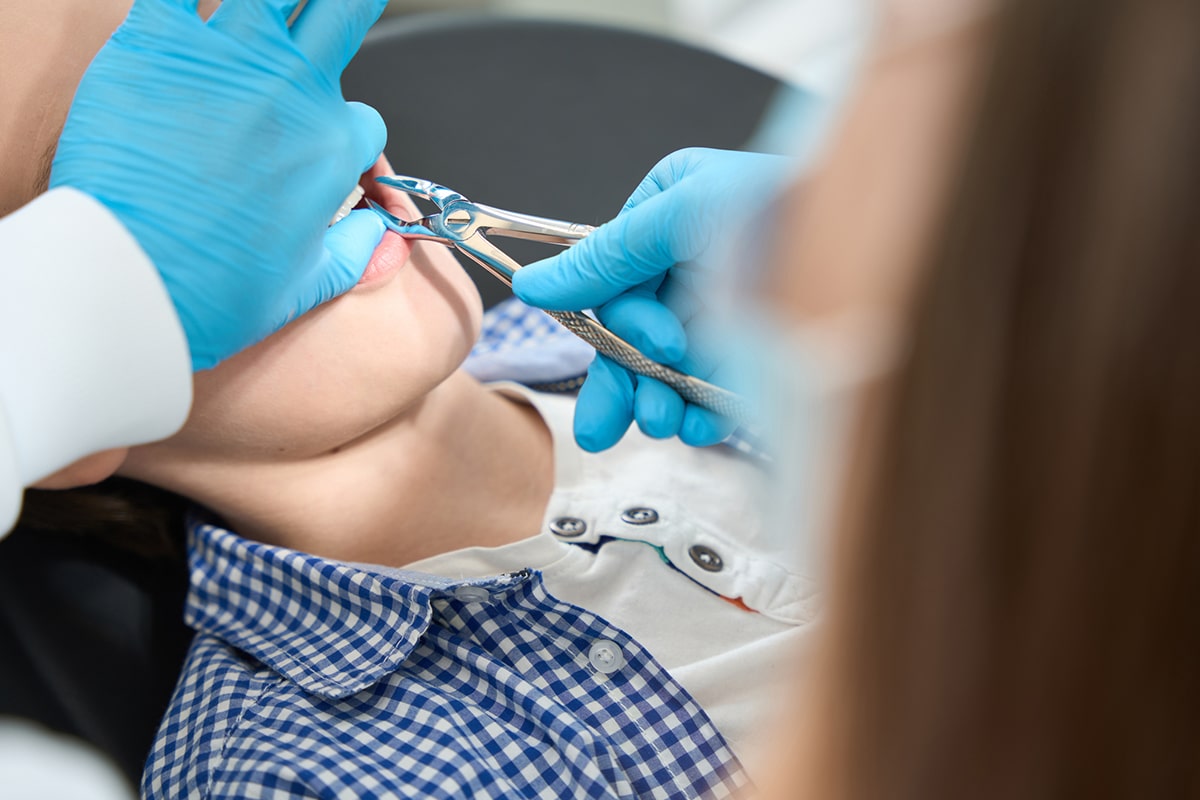
When a tooth becomes severely damaged, decayed, or infected, there may come a point when a filling or other routine treatment is no longer enough. In these situations, your dentist may recommend either root canal therapy to save the tooth or a tooth extraction to remove it. Understanding the differences between a root canal vs. tooth extraction can help you feel more confident about your treatment options.
At Aliso Smiles, our primary goal is to save natural teeth whenever possible. However, every tooth and every patient is different. While root canal therapy can often preserve a damaged or infected tooth, extraction may be the better choice when the tooth cannot be predictably restored. A careful dental evaluation can determine which treatment offers the best option for your long-term oral health.
What Is the Difference Between a Root Canal and Tooth Extraction?
Root canal therapy and tooth extraction address serious dental problems in very different ways.
A root canal is designed to preserve the natural tooth. Inside each tooth is dental pulp containing nerves, blood vessels, and connective tissue. Deep decay, cracks, or other damage can allow bacteria to reach this tissue, causing inflammation or infection.
During root canal therapy, the affected pulp is removed from inside the tooth. The canals are then carefully cleaned and disinfected before being filled and sealed. Afterward, the tooth is typically restored with a dental crown or filling to protect it and restore normal function.
Modern root canal treatment is generally much more comfortable than its reputation suggests. Local anesthetic is used to keep the area comfortable during treatment, and the procedure can provide relief from the pain caused by an infected tooth.
A tooth extraction takes a different approach. Instead of treating and preserving the tooth, the entire tooth is removed from its socket. Extraction may be necessary when a tooth has sustained too much damage to be restored successfully.
At Aliso Smiles, extractions are available as part of our comprehensive restorative dental services when a natural tooth cannot be saved. If an extracted tooth needs to be replaced, options such as dental implants, bridges, or dentures may help restore your smile and dental function.
Root Canal vs. Tooth Extraction: When Is Saving the Tooth Better?
When a tooth can be restored successfully, preserving it with root canal therapy is generally preferable to removing it. Your natural teeth are designed to work together to support comfortable chewing, proper alignment, and the natural appearance of your smile.
Root canal therapy may be recommended when decay reaches the nerve of a tooth or when the dental pulp becomes inflamed or infected. Symptoms that could indicate a problem inside the tooth include persistent tooth pain, lingering sensitivity to hot or cold temperatures, sudden discoloration, swollen or painful gums, or an abscess.
A cracked or fractured tooth may also require root canal treatment if bacteria have reached the pulp. The key question is whether enough healthy tooth structure remains for the tooth to be restored after treatment.
One of the primary benefits of choosing a root canal is that the natural tooth stays in your mouth. Once the infected or damaged tissue has been removed, the tooth can be restored to provide continued function.
Keeping the tooth may also help you avoid the additional restorative treatment that often follows an extraction. If a permanent tooth is removed, leaving an empty space can affect your smile and oral function. Depending on the location of the missing tooth, replacement may be recommended.
At Aliso Smiles, we offer root canal therapy in Aliso Viejo with the goal of eliminating infection, relieving discomfort, and preserving the natural tooth whenever possible.
When Is Tooth Extraction the Better Option?
Although preserving a natural tooth is usually the goal, there are circumstances in which extraction is the more appropriate treatment.
A tooth may need to be removed when it is so severely decayed, fractured, or otherwise compromised that it cannot be predictably restored. In these cases, attempting to save the tooth may not provide a reliable long-term result.
The decision should be based on more than how much the tooth hurts. Dental imaging and a clinical examination allow your dentist to evaluate the condition of the tooth, its roots, the surrounding bone, and other important factors before recommending treatment.
If extraction is necessary, planning what happens afterward is also important. Aliso Smiles offers several restorative solutions for missing teeth, including dental implants. A single-tooth dental implant can replace an individual missing tooth by providing a stable foundation for a restoration.
Bridges and dentures may also be appropriate depending on the number and location of missing teeth and the patient's individual needs.
This is one reason comparing the total treatment plan is important when deciding between a root canal and extraction. Removing a tooth may seem like a simpler solution at first, but replacing the missing tooth can require additional procedures. Root canal therapy, on the other hand, is specifically intended to preserve the tooth already in your mouth.
How Do Dentists Decide Between a Root Canal and Extraction?
There is no single treatment that is right for every damaged or infected tooth. Your dentist needs to determine whether the tooth can be successfully treated and restored.
Several factors may influence the recommendation, including:
- The extent of decay or damage. A tooth with an infected pulp may still have enough healthy structure to support root canal treatment and a restoration. Extensive structural damage may make extraction necessary.
- The condition of the tooth's roots. Healthy supporting structures can make preserving a tooth more realistic, while significant problems involving the roots may change the treatment recommendation.
- Whether the tooth can be restored. Root canal treatment removes infected or damaged tissue from inside the tooth, but the remaining tooth still needs to be strong enough to function. A crown or filling is often placed after treatment for protection.
- Your overall oral health. The condition of the gums, surrounding teeth, and supporting bone can also play a role in deciding which approach makes the most sense.
- Long-term treatment needs. If extraction is recommended, your dentist may discuss whether the missing tooth should be replaced and which restorative option is appropriate.
At Aliso Smiles, patient education is an important part of dental care. Our goal is to help patients understand their oral health options so they can choose a treatment plan that is appropriate for their individual needs.
What Happens If You Wait Too Long to Treat an Infected Tooth?
Waiting for significant tooth pain to disappear on its own can allow the underlying dental problem to worsen. When infection develops inside a tooth, it can spread beyond the tooth and affect surrounding areas.
Prompt treatment may increase the possibility of preserving the natural tooth. A root canal performed while a tooth is still restorable can remove infected or inflamed tissue and help prevent further problems.
Contact a dentist if you experience ongoing tooth pain, extreme sensitivity, tooth discoloration, swollen or painful gums, a bad taste in your mouth, or signs of an abscess. Even intermittent pain deserves attention because symptoms that come and go can still indicate damage or infection.
If you are experiencing severe tooth pain, getting a professional diagnosis is the best way to determine whether root canal therapy, extraction, or another treatment is appropriate.
Choosing the Right Treatment for Your Smile
When comparing a root canal vs. tooth extraction, saving the natural tooth is typically the preferred approach when the tooth can be successfully restored. Root canal therapy can eliminate infected or damaged tissue while allowing your tooth to remain in place. When a tooth is too severely compromised to save, extraction can protect your oral health, followed by appropriate restorative treatment when needed.
You do not have to make this decision on your own. Aliso Smiles provides comprehensive restorative dental care in Aliso Viejo, CA, with a focus on patient comfort, advanced dental technology, and personalized treatment planning. If you have persistent tooth pain or think you may have an infected tooth, schedule an evaluation so our team can determine the most appropriate next step.
Frequently Asked Questions About Root Canal Therapy and Tooth Extraction
Is it better to get a root canal or pull the tooth?
When a natural tooth can be successfully restored, saving it with root canal therapy is generally preferred. Aliso Smiles focuses on preserving natural teeth whenever possible, but extraction may be recommended if a tooth cannot be saved.
Does a root canal hurt more than an extraction?
Local anesthesia is used during root canal therapy to keep patients comfortable. Modern root canal treatment is typically much more comfortable than many patients expect and can provide relief from the pain caused by an infected tooth.
Can every infected tooth be saved with a root canal?
No. Root canal therapy can save many infected teeth, but the tooth must have enough healthy structure remaining to be restored successfully. If decay, fractures, or other damage are too extensive, extraction may be necessary.
What happens after a tooth is extracted?
Depending on the tooth and your individual needs, your dentist may recommend replacing it. Dental implants, bridges, and dentures are among the restorative options that can be used to replace missing teeth.
How do I know if I might need a root canal?
Possible signs include persistent tooth pain, lingering sensitivity to hot or cold foods and beverages, tooth discoloration, swollen or painful gums, and an abscess. A dental examination is necessary to determine the cause of your symptoms and the appropriate treatment.
At Aliso Smiles, we provide comprehensive family, cosmetic, and restorative dentistry with a focus on comfortable, personalized care for patients in Aliso Viejo and surrounding communities. We use advanced dental technology and patient education to help you understand your options and choose treatment that supports a healthy, functional smile. If you are experiencing tooth pain or are concerned about a damaged or infected tooth, contact our team to schedule an evaluation.