
July 26, 2026
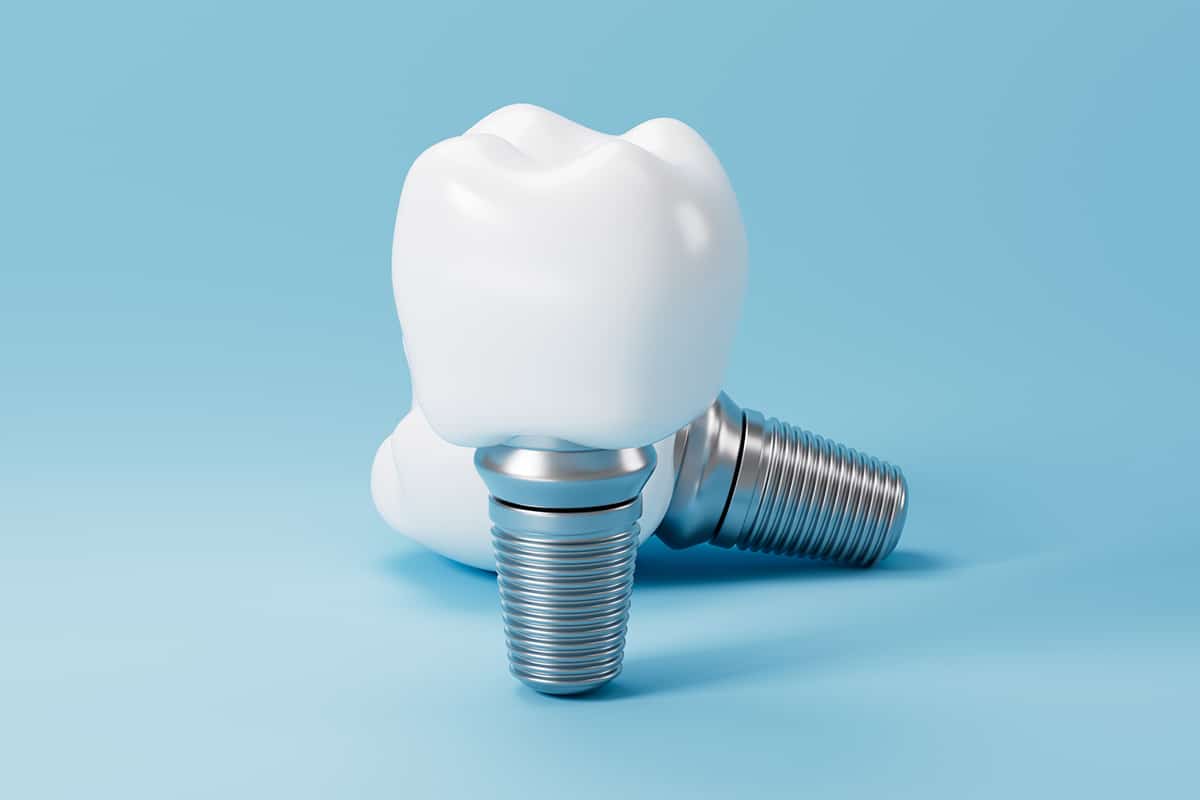
Losing a tooth can be overwhelming, and many people assume that if they do not replace it right away, they have missed their chance. Fortunately, that is usually not the case. Modern dentistry has made it possible for many patients to receive dental implants even years after a tooth has been lost. While waiting may create additional challenges, it does not automatically prevent you from restoring your smile.
At Aliso Smiles, we understand that every patient's dental history is unique. Some people lose a tooth because of injury, while others experience tooth loss from decay or gum disease. No matter how long it has been, an evaluation can determine whether dental implants are still an excellent option for restoring your smile and protecting your long term oral health. Our team proudly serves patients throughout Aliso Viejo, Laguna Hills, Mission Viejo, Dana Point, Laguna Beach, and surrounding communities with advanced dental technology and personalized treatment.
Why Replacing a Missing Tooth Matters
Many people become accustomed to living with a missing tooth, especially if it is not visible when they smile. However, leaving a gap untreated can affect much more than your appearance.
Each tooth helps support your bite and keeps neighboring teeth properly aligned. When one tooth is missing, the surrounding teeth gradually begin shifting into the empty space. This movement can change your bite, make cleaning more difficult, and increase the risk of tooth decay and gum disease.
Another important concern is bone loss. Tooth roots stimulate the jawbone every time you chew. Once a tooth is gone, that stimulation disappears. Over time, the jawbone in that area begins to shrink because it is no longer being used. This process, known as bone resorption, can continue for years if the tooth is not replaced.
Dental implants are unique because they replace both the visible crown and the missing tooth root. This helps preserve the jawbone while restoring the appearance and function of your smile.
Can You Still Get Dental Implants Years Later?
The short answer is yes. Many patients successfully receive dental implants several years, or even decades, after losing a tooth.
The biggest factor is not how much time has passed but rather the current condition of your mouth. Your dentist will evaluate several factors before recommending treatment, including:
- The amount of healthy jawbone available
- The health of your gums
- Your overall oral health
- Any existing dental conditions
- Medical factors that may affect healing
Even if significant bone loss has occurred, many patients remain excellent candidates thanks to modern treatment options that can rebuild the foundation needed for successful implant placement.
An individual consultation allows your dentist to develop a treatment plan that fits your specific needs rather than relying on how long ago the tooth was lost.
What Happens to the Jawbone After Tooth Loss?
Understanding what happens after tooth loss helps explain why early treatment is beneficial but also why delayed treatment is still possible.
During the first year after losing a tooth, the jawbone typically experiences the greatest amount of bone loss. As time passes, the bone continues to shrink more gradually.
This loss of bone can lead to:
- Changes in facial appearance
- A sunken look around the mouth
- Difficulty placing dental implants without additional procedures
- Less support for neighboring teeth
- Reduced chewing efficiency
Fortunately, advances in implant dentistry have created solutions for many patients who have experienced bone loss.
Bone Grafting May Make Dental Implants Possible
One of the most common concerns patients have is hearing they have "lost too much bone." While this can happen, it does not necessarily mean implants are no longer an option.
Bone grafting is a procedure that helps rebuild areas where bone has deteriorated. During healing, new bone develops and creates a stronger foundation for future implant placement.
Depending on your situation, your dentist may recommend:
- Minor bone grafting for localized bone loss
- Ridge preservation or ridge augmentation
- Sinus lift procedures for upper back teeth
Although these treatments add time to the overall process, they often allow patients who previously thought implants were impossible to enjoy long lasting tooth replacement.
What Is the Dental Implant Process?
Receiving dental implants after years of tooth loss typically begins with a comprehensive evaluation.
Your dentist will perform a complete examination using advanced diagnostic technology, including detailed imaging, to evaluate bone levels and create an accurate treatment plan. At Aliso Smiles, advanced technology plays an important role in delivering precise and predictable results.
Once planning is complete, treatment may include:
- Initial Evaluation. Your dentist reviews your dental and medical history, evaluates your gums, and determines whether bone grafting is necessary.
- Bone Grafting if Needed. If additional bone support is required, the graft is completed first and allowed to heal before implant placement.
- Implant Placement. The titanium implant is carefully placed into the jawbone where it functions like a natural tooth root.
- Healing and Osseointegration. Over several months, the implant fuses with the surrounding bone through a natural process called osseointegration. This creates exceptional stability.
- Final Restoration. Once healing is complete, a custom dental crown is attached to the implant, restoring your smile with a natural appearance and comfortable function.
Benefits of Choosing Dental Implants
Patients often ask whether implants are worth pursuing years after tooth loss. In many cases, the answer is yes because implants provide benefits that other tooth replacement options cannot match.
Dental implants can:
- Look and feel like natural teeth
- Help preserve jawbone density
- Prevent neighboring teeth from shifting
- Restore comfortable chewing
- Improve speech
- Support long term oral health
- Last for many years with proper care
Unlike removable dentures, implants remain securely in place and become part of your smile.
Is There an Age Limit for Dental Implants?
Another common misconception is that older adults are too old for implants.
In reality, age alone rarely determines eligibility. Many healthy adults in their sixties, seventies, and even eighties successfully receive dental implants.
Instead of focusing on age, dentists evaluate:
- Overall health
- Bone quality
- Gum health
- Medical conditions
- Ability to heal normally
As long as you are healthy enough for routine dental procedures, implants may still be a very realistic option.
Why an Early Evaluation Is Still Important
Although many people qualify for implants years later, delaying treatment can sometimes make the process more complex.
An early consultation allows your dentist to:
- Monitor bone levels
- Identify problems before they worsen
- Recommend preventive treatments
- Create the simplest possible treatment plan
Even if you are not ready to move forward immediately, learning about your options today gives you more flexibility for the future.
If you have been living with a missing tooth for several years, do not assume you have missed your opportunity. A professional evaluation may reveal that dental implants remain an excellent solution for restoring your smile and protecting your oral health.
Restore Your Smile With Confidence
Living with a missing tooth does not have to be permanent, even if many years have passed. Advances in implant dentistry allow more patients than ever before to enjoy secure, natural looking tooth replacement that supports both appearance and function.
At Aliso Smiles, we believe every patient deserves personalized care and treatment recommendations based on their individual needs. Whether you recently lost a tooth or have been considering dental implants for years, our experienced team can help determine the best path forward so you can smile with confidence again.
Frequently Asked Questions About Dental Implants
Can I get a dental implant if I have been missing a tooth for 10 years?
Yes. Many patients successfully receive dental implants after many years of tooth loss. Your dentist will evaluate your bone levels and gum health to determine whether any preparatory procedures, such as bone grafting, are recommended.
Does bone loss automatically mean I cannot have dental implants?
No. While bone loss can complicate treatment, many patients qualify for bone grafting or other procedures that rebuild the jaw before implant placement.
How long do dental implants last?
With good oral hygiene, regular dental visits, and healthy habits, dental implants can last for decades. The implant itself is designed to be a long term solution, although the crown may eventually need replacement due to normal wear.
Is getting a dental implant painful?
Most patients report that implant placement is more comfortable than they expected. Local anesthesia and modern techniques help minimize discomfort during the procedure, and most soreness is manageable during recovery.
Will my dental implant look like a natural tooth?
Yes. Each implant restoration is custom designed to match the color, shape, and size of your surrounding teeth, creating a seamless, natural looking smile.
We are proud to provide comprehensive, compassionate dental care using advanced technology to help patients achieve healthy, confident smiles. Our team at Aliso Smiles offers personalized treatment plans for patients of all ages throughout Aliso Viejo and the surrounding communities. Contact us today to schedule your consultation and learn more about your options.