
July 22, 2026
Missing a tooth can affect much more than the appearance of your smile. It can change the way you eat, speak, and feel about yourself while also impacting your long-term oral health. If you have been considering tooth replacement, you may be wondering whether dental implants are truly worth the investment.
Although dental implants often have a higher upfront cost than other tooth replacement options, they offer exceptional durability, function, and long-term benefits. At Aliso Smiles, we believe patients should understand not only the initial cost of treatment but also the lasting value dental implants can provide for their health, comfort, and quality of life.
Why Dental Implants Stand Apart
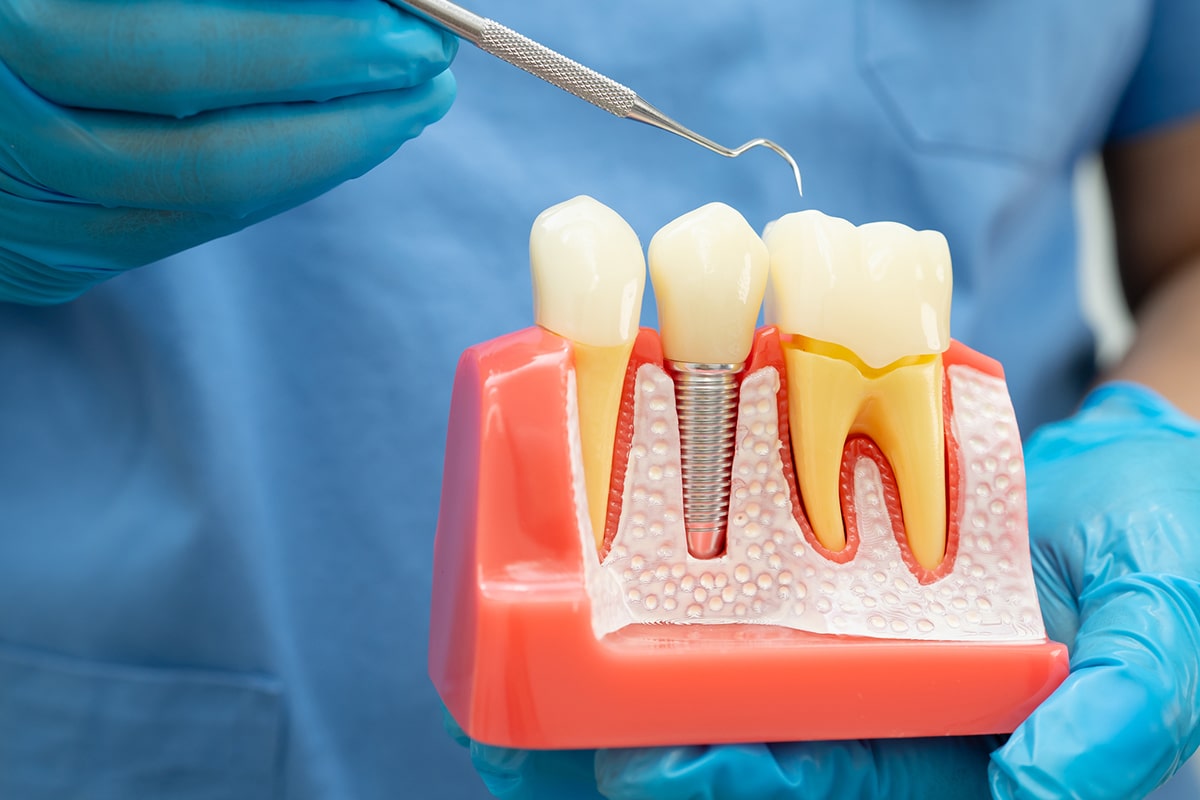
Dental implants are designed to replace both the visible tooth and its root. A small titanium post is placed into the jawbone, where it gradually fuses with the bone through a natural process called osseointegration. Once healing is complete, a custom dental crown is attached to create a replacement tooth that looks, feels, and functions like a natural tooth.
Unlike traditional bridges or removable dentures, dental implants become a permanent part of your smile. Because they are securely anchored in the jaw, they provide excellent stability for everyday activities such as eating, speaking, and smiling.
Many patients appreciate that dental implants closely mimic natural teeth. There are no adhesives to manage, no slipping during meals, and no need to remove them for cleaning.
Long-Term Durability Makes a Difference
One of the biggest reasons dental implants are considered a worthwhile investment is their impressive longevity. With proper care, dental implants can last for decades, and many patients enjoy them for the rest of their lives. While the dental crown attached to the implant may eventually require replacement because of normal wear, the implant itself often remains healthy and functional for many years.
Other tooth replacement options may require more frequent repairs or replacements. Traditional bridges generally last between 10 and 15 years before replacement becomes necessary. Dentures may require adjustments, relining, or replacement over time as the shape of the jaw changes. When viewed over many years, the durability of dental implants may help reduce future dental expenses associated with replacing other restorations.
Protecting Your Jawbone and Facial Structure
A unique advantage of dental implants is their ability to help preserve jawbone health. When a tooth is lost, the surrounding jawbone no longer receives stimulation from the tooth root during chewing. Without that stimulation, the bone naturally begins to shrink. This process, called bone resorption, can continue for years after tooth loss.
Bone loss may eventually lead to:
- Changes in facial appearance
- A sunken or aged look
- Difficulty supporting neighboring teeth
- Reduced stability for dentures
Because dental implants replace the missing tooth root, they continue to stimulate the jawbone during everyday function. This helps maintain bone density and preserve the natural contours of the face. Protecting the jawbone is one of the most significant long-term benefits that other tooth replacement options cannot fully provide.
Supporting the Health of Nearby Teeth
Every tooth works together to maintain a healthy bite. When a tooth is missing, neighboring teeth often begin shifting into the empty space.
This movement can create several problems, including:
- Bite misalignment
- Increased wear on surrounding teeth
- Greater difficulty cleaning between teeth
- Higher risk of decay and gum disease
Dental implants fill the gap left by a missing tooth, helping maintain proper spacing and alignment.
Unlike traditional dental bridges, implants also preserve healthy neighboring teeth. A bridge typically requires reshaping adjacent teeth to support the restoration. Dental implants stand independently without relying on surrounding teeth for support. Keeping healthy teeth untouched is another important long-term advantage.
Enjoy Greater Comfort and Confidence
For many patients, the emotional value of dental implants is just as meaningful as the physical benefits. Missing teeth can make people hesitant to smile, laugh, or speak confidently. Removable dentures may also create anxiety about slipping while eating or talking. Dental implants provide a secure solution that feels natural throughout daily life.
Patients often report greater confidence when:
- Smiling in photographs
- Speaking during meetings
- Dining at restaurants
- Socializing with family and friends
Knowing your replacement teeth are stable allows you to focus on enjoying life instead of worrying about your smile.
Eat the Foods You Love
Chewing efficiency is another area where dental implants excel. Because implants are anchored directly into the jawbone, they restore biting strength much more effectively than removable dentures.
Patients can comfortably enjoy foods such as:
- Fresh apples
- Steak
- Raw vegetables
- Nuts
- Corn on the cob
A varied, nutritious diet supports overall health while making everyday meals more enjoyable.
Easy Daily Maintenance
Dental implants require very little special care. Instead of soaking appliances or using adhesives, patients simply care for implants as they would natural teeth by:
- Brushing twice daily
- Flossing every day
- Visiting the dentist for routine examinations and cleanings
- Maintaining good oral hygiene habits
Consistent preventive care helps protect both the implant and surrounding gum tissue for years to come.
Considering the Financial Investment
It is understandable that many patients initially focus on the cost of treatment. Dental implants generally involve a larger upfront investment because they require surgical placement, advanced planning, and custom restorations. However, evaluating only the initial expense may overlook their long-term value.
When considering treatment, it is helpful to think about:
- Longevity
- Fewer replacement procedures
- Reduced maintenance costs
- Better oral health preservation
- Improved quality of life
- Greater comfort and confidence
Many dental practices also offer financing options that allow patients to spread treatment costs into manageable monthly payments. Looking beyond the initial price often provides a clearer understanding of the overall value dental implants can deliver.
Who Is a Good Candidate for Dental Implants?
Most healthy adults with one or more missing teeth may be candidates for dental implants.
Ideal candidates generally have:
- Healthy gums
- Adequate jawbone support
- Good overall health
- Commitment to maintaining oral hygiene
Even patients who have experienced some bone loss may still qualify after procedures such as bone grafting. A comprehensive consultation, digital imaging, and personalized treatment planning allow your dentist to determine the best approach for your unique needs.
Investing in Your Smile for the Future
Choosing dental implants is about much more than replacing a missing tooth. It is an investment in your long-term oral health, confidence, comfort, and quality of life.
While every patient's needs are different, dental implants continue to be one of the most reliable and natural-looking tooth replacement options available. Their ability to preserve jawbone health, protect surrounding teeth, restore chewing function, and provide decades of dependable performance makes them an outstanding long-term solution for many individuals.
If you are considering replacing missing teeth, speaking with an experienced dental team can help you understand your options and determine whether dental implants are the right investment for your future.
Frequently Asked Questions About Dental Implants
Are dental implants more cost-effective than dentures?
Although dental implants usually cost more initially, they often provide greater long-term value because they can last for decades with proper care and typically require fewer replacements than removable dentures.
How long does the dental implant process take?
Treatment timelines vary depending on each patient's needs. Some cases take several months to allow proper healing after implant placement, while others may include additional procedures such as bone grafting that extend the timeline.
Can dental implants fail?
Dental implants have an excellent success rate, especially when placed by experienced professionals and maintained with good oral hygiene and regular dental visits. Avoiding tobacco use and following your dentist's recommendations also improves long-term success.
Will dental implants look natural?
Yes. Each implant restoration is custom designed to match the color, shape, and size of your surrounding teeth, creating a seamless and natural-looking smile.
Can I get dental implants if I have been missing a tooth for many years?
Yes. Many patients successfully receive dental implants years after losing a tooth. If bone loss has occurred, your dentist may recommend procedures such as bone grafting to rebuild the area before implant placement, helping create a stable foundation for a long-lasting restoration.
At Aliso Smiles, we are committed to helping patients restore healthy, confident smiles with personalized, high-quality dental care. Our team takes the time to understand your goals and recommend treatment options that support your long-term oral health. Contact us today to schedule a consultation.