
May 27, 2026
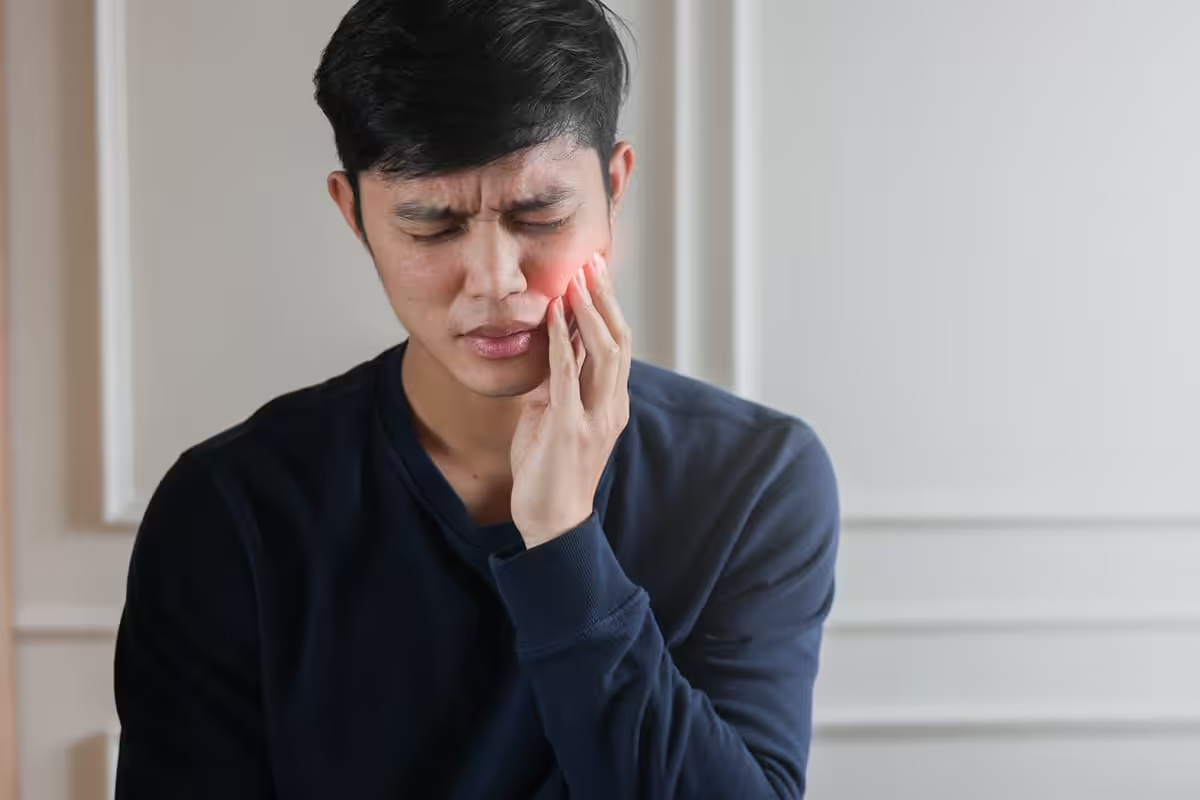
A knocked-out tooth can be a frightening experience, whether it happens during a sports game, a fall, or an unexpected accident at home. In many cases, acting quickly can make the difference between saving and losing the tooth. Knowing what to do in those first few minutes is critical for protecting your oral health and improving the chances of successful treatment.
At Aliso Smiles, patients in Aliso Viejo have access to prompt and compassionate emergency dental care when urgent situations arise. The practice offers comprehensive services and advanced dental technology to help patients receive fast and effective treatment during dental emergencies. If you or a family member experiences a knocked-out tooth, staying calm and taking the right steps before arriving at the dentist can significantly improve the outcome.
Why a Knocked-Out Tooth Is a Dental Emergency
A knocked-out tooth, also called an avulsed tooth, is considered one of the most serious dental emergencies. When the tooth is completely dislodged from the socket, the blood supply and supporting tissues are damaged immediately. Time becomes extremely important because the tooth has the best chance of survival if it is reinserted quickly.
In many situations, a dentist may be able to save and reattach the tooth if treatment happens within 30 to 60 minutes. Waiting too long can reduce the likelihood of successful reimplantation. This is why seeking professional care right away is essential.
Children, teens, and adults can all experience this type of injury. Sports injuries, bicycle accidents, playground falls, and vehicle accidents are among the most common causes. Even biting down on something unexpectedly hard or slipping at home can lead to dental trauma.
Because the tooth and surrounding tissues are vulnerable after the injury, professional evaluation is necessary even if pain seems mild. In some cases, nearby teeth, nerves, or bone structures may also be affected.
What to Do Immediately After a Tooth Gets Knocked Out
The first few minutes after the injury are extremely important. Taking the correct actions can help preserve the tooth until you reach the dentist.
Start by locating the tooth immediately. Pick it up carefully by the crown, which is the chewing surface of the tooth. Avoid touching the root because the root contains delicate cells that help the tooth reattach successfully.
If the tooth appears dirty, gently rinse it with milk or clean water for just a few seconds. Do not scrub it, use soap, or dry it off with a towel. Scrubbing or handling the root aggressively can damage important tissues.
If possible, try placing the tooth back into the socket. Hold it in place gently by biting down on a clean piece of gauze or cloth. This can help protect the tooth and maintain moisture while traveling to the dental office.
If reinserting the tooth is not possible, keep it moist at all times. A small container of milk is often one of the best storage options. Saliva can also help preserve the tooth temporarily. Avoid storing the tooth in plain water for extended periods because it can damage the root surface cells needed for successful reattachment.
After securing the tooth, contact a provider offering emergency dentistry immediately. Quick treatment greatly improves the chances of saving the tooth.
Managing Pain and Swelling Before Your Appointment
A knocked-out tooth can cause discomfort, bleeding, and swelling. While waiting to see the dentist, there are several safe ways to manage symptoms at home.
Apply a cold compress or ice pack to the outside of the face near the injury. This can help reduce swelling and minimize discomfort. Use the compress for about 15 minutes at a time with short breaks in between.
If bleeding continues, apply gentle pressure with clean gauze. Most bleeding slows within a short period, but significant or uncontrolled bleeding should be evaluated immediately.
Over-the-counter pain relievers may help manage discomfort temporarily. However, it is important to follow the dosage instructions carefully. Avoid placing aspirin directly on the gums because it can irritate soft tissues.
Try to remain calm and avoid unnecessary touching or movement around the injured area. Eating should generally be avoided until the tooth is evaluated by the dentist, especially if there is pain or significant swelling.
Children experiencing dental trauma may feel especially anxious after an accident. Reassurance and quick action can help reduce stress while protecting their oral health.
How Emergency Dentistry Helps Save Your Smile
Prompt professional treatment is one of the most important parts of saving a knocked-out tooth. At Aliso Smiles, patients have access to advanced care and modern dental technology designed to support fast and accurate treatment during emergencies.
During the appointment, the dentist will examine the injured area carefully and may take digital imaging to evaluate the tooth, socket, and surrounding structures. The condition of the tooth and the amount of time outside the mouth both influence the recommended treatment.
If the tooth can be saved, the dentist may reposition and stabilize it using a splint attached to nearby teeth. This allows the tooth to heal while reconnecting with surrounding tissues. Follow-up care is usually necessary to monitor healing and determine whether additional treatment, such as a root canal, may be needed later.
In situations where the tooth cannot be successfully reimplanted, the dental team will discuss replacement options that restore both appearance and function. Dental implants, bridges, and other restorative solutions may help patients regain confidence in their smiles.
The goal of emergency care is not only to relieve pain but also to preserve long-term oral health. Delaying treatment can lead to infection, bone loss, and additional complications that may require more extensive procedures in the future.
Ways to Prevent Knocked-Out Teeth
While accidents cannot always be avoided, there are several ways to reduce the risk of dental injuries.
Wearing a custom mouthguard during sports activities is one of the most effective preventive measures. Contact sports such as basketball, football, soccer, and martial arts place teeth at greater risk for trauma.
Children should also wear helmets and protective gear during biking, skateboarding, and other recreational activities. At home, simple safety precautions like securing rugs and keeping walkways clear can help reduce falls.
Routine dental care also plays an important role in prevention. Healthy teeth and gums are often more resistant to injury than teeth weakened by decay or untreated dental problems. Regular checkups help identify concerns early and support overall oral health.
At Aliso Smiles, patients receive personalized dental care designed to help maintain healthy smiles for every stage of life. The practice emphasizes patient comfort, education, and modern treatment options to provide high-quality care for families throughout Aliso Viejo and surrounding communities.
Protect Your Smile with Fast Action and Professional Care
A knocked-out tooth can feel overwhelming, but knowing what to do can make a major difference. Acting quickly, handling the tooth properly, and seeking immediate dental care all improve the chances of saving the tooth successfully.
Dental emergencies are unpredictable, but having a trusted dental team ready to help provides peace of mind when urgent situations happen. Prompt treatment not only protects your smile but also helps prevent future complications and discomfort.
Frequently Asked Questions About Emergency Dentistry
Can a knocked-out baby tooth be placed back into the mouth?
In most cases, baby teeth are not reinserted because doing so could damage the developing permanent tooth underneath. It is still important to see a dentist right away to evaluate the injury and ensure there are no additional concerns.
How long can a tooth survive outside the mouth?
The best chance of saving a knocked-out tooth is typically within 30 to 60 minutes. Keeping the tooth moist and seeking immediate professional care significantly improves the likelihood of successful reattachment.
Should I go to the emergency room for a knocked-out tooth?
If the injury involves severe facial trauma, uncontrolled bleeding, or possible head injury, visiting the emergency room may be necessary. For isolated dental injuries, an emergency dentist is usually the best option for specialized treatment.
What should I do if the knocked-out tooth is cracked or damaged?
Even if the tooth appears cracked or damaged, you should still try to preserve it and bring it to the dentist immediately. In some cases, the tooth may still be salvageable, and prompt treatment can help prevent additional complications.
Can a mouthguard help prevent dental emergencies?
Yes, wearing a custom mouthguard during sports and recreational activities can significantly reduce the risk of knocked-out teeth and other dental injuries. Custom mouthguards are designed to fit comfortably and provide better protection than over-the-counter options.
At Aliso Smiles, we are proud to provide compassionate and advanced dental care for patients throughout Aliso Viejo and nearby communities. Our team is committed to helping patients feel comfortable while receiving prompt and effective treatment for both routine and urgent dental needs. We use modern technology and personalized care to help protect healthy smiles for the long term. Call 949-916-7800 or contact us today for immediate assistance.